
 Image 1 of 4
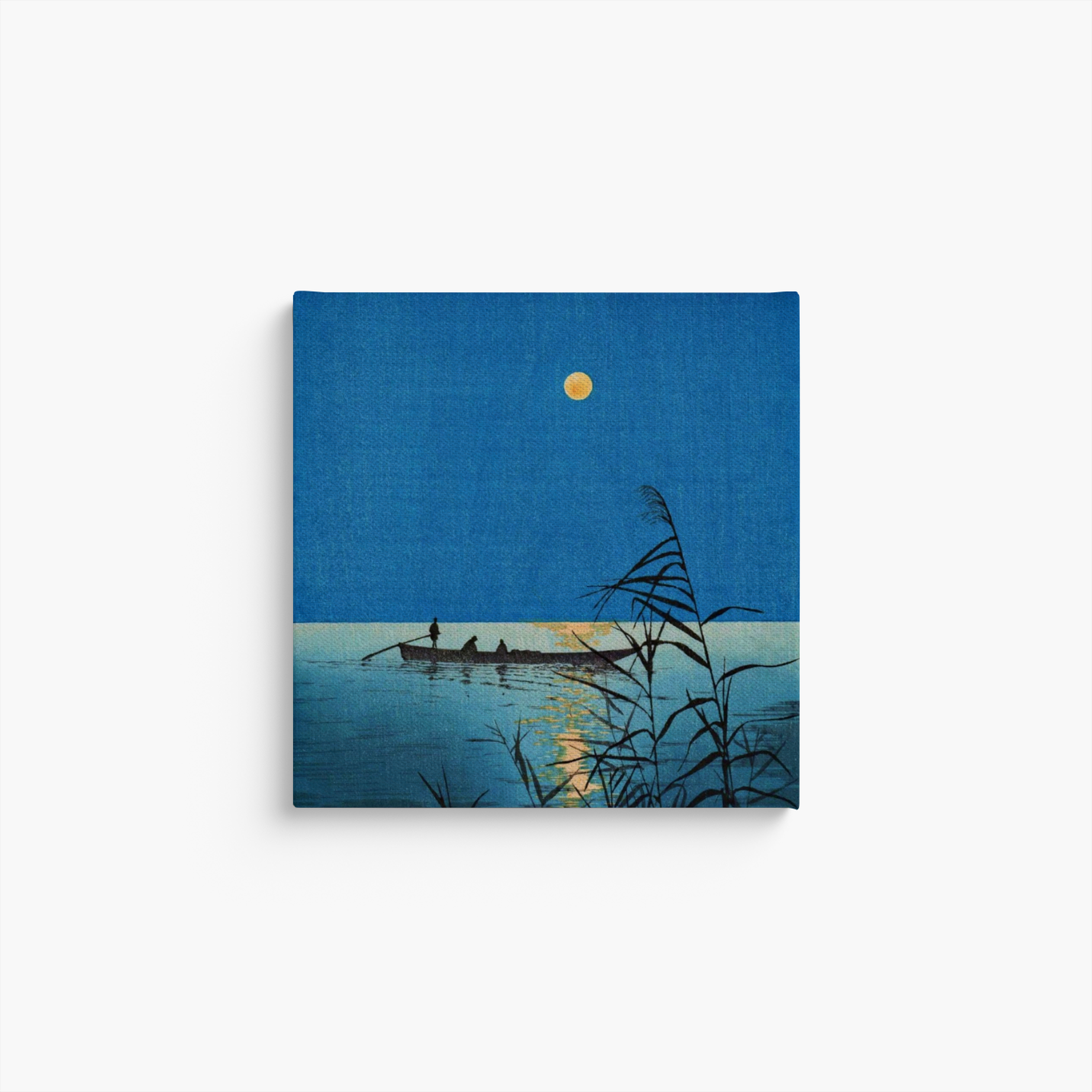 Image 2 of 4
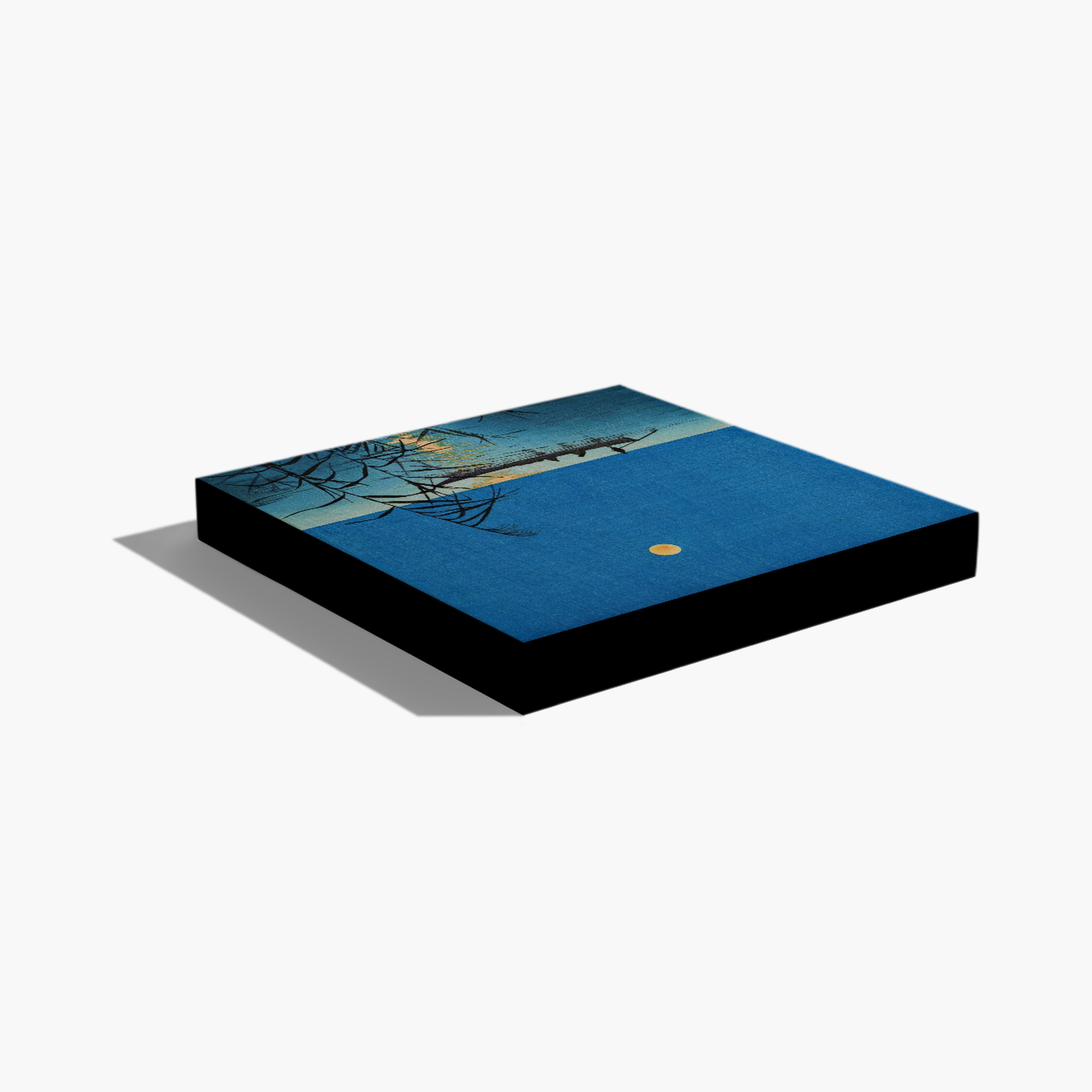 Image 3 of 4
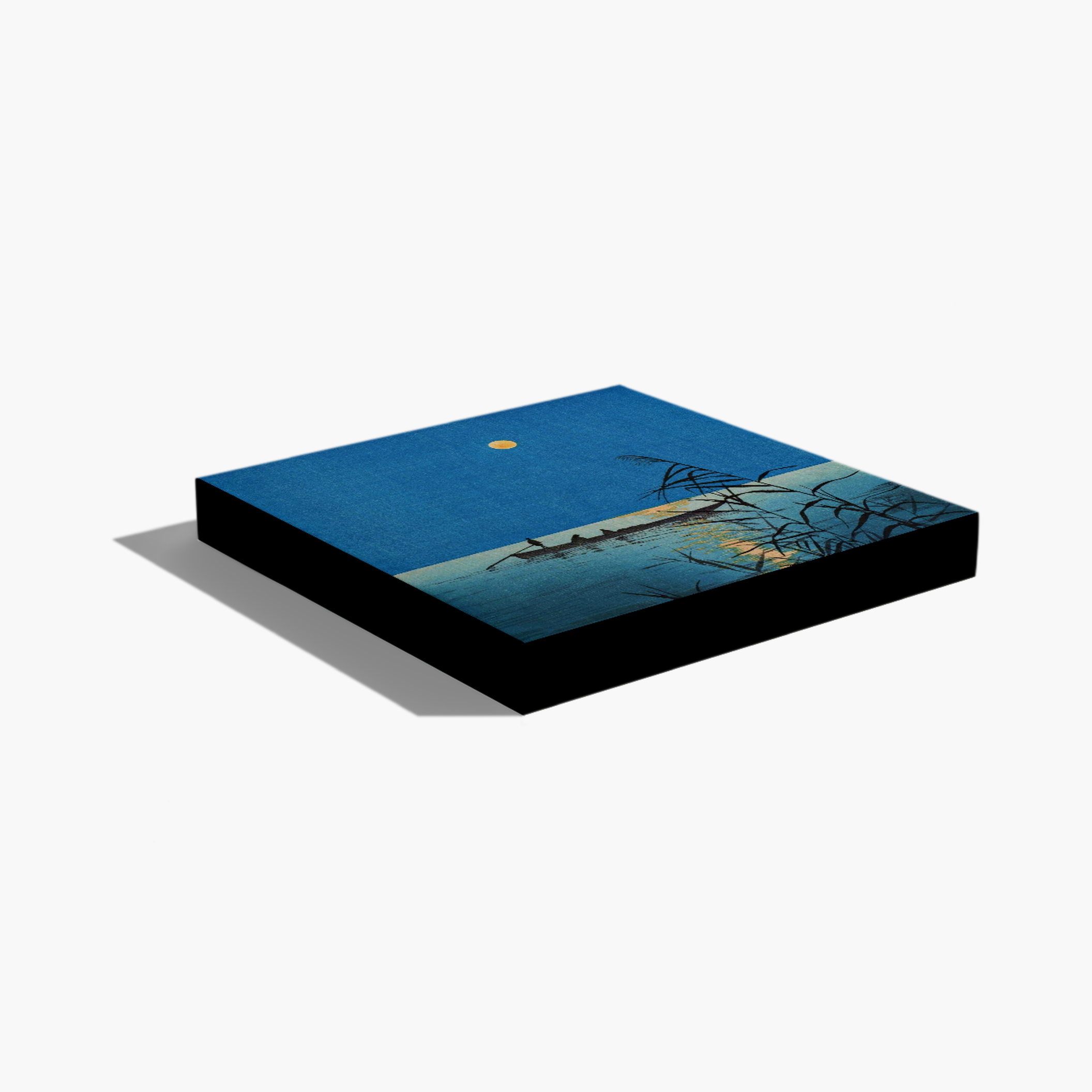 Image 4 of 4
Shoda Koho's "Moonlit Sea" 1912
Here is a UnitedArts-style description for Shoda Koho’s “Moonlit Sea.”
Premium quality canvas print of Shoda Koho’s “Moonlit Sea” woodblock painting
Transform your living space into a peaceful haven with art that speaks to the soul. This canvas reprint evokes the quiet beauty of moonlight over water, filling your home with an atmosphere of stillness, mystery, and contemplative calm. Built on a sturdy 1.5" wood frame, it offers a substantial gallery-style presence while preserving the delicate elegance of Koho’s original woodblock design.
More About the Art:
Shoda Koho’s “Moonlit Sea” is a serene vision of night, water, and silence, rendered with the poetic restraint that makes Japanese woodblock landscape art so enduringly beloved. Associated with the early twentieth-century Shin Hanga movement, Koho’s work belongs to a world in which familiar scenes are transformed through atmosphere, suggestion, and light. “Moonlit Sea” is among his most recognizable designs, known in early, late, and sepia-toned editions. (Moonlit Sea Prints)
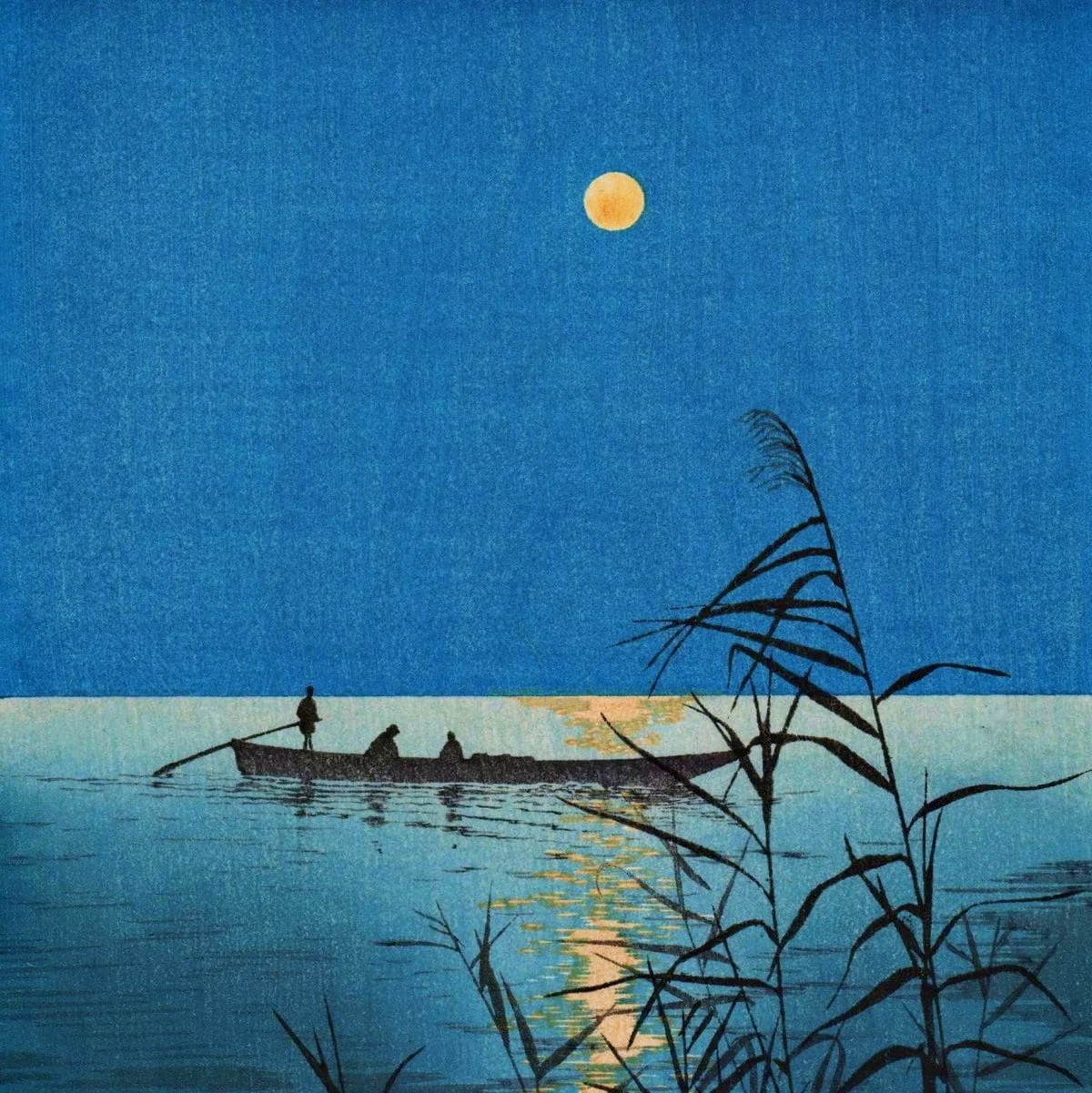
The composition is striking in its simplicity. Beneath the vast presence of the moon, the sea stretches outward in quiet rhythm. The water is not shown as violent or dramatic, but as a living surface touched by silver light. A small boat moves across the scene, its dark form set against the luminous expanse of night. This contrast between human fragility and the immensity of nature gives the work its emotional depth. The boat seems almost suspended between sea and sky, between movement and stillness, between the physical world and the realm of dream.
What makes “Moonlit Sea” so compelling is Koho’s extraordinary economy of expression. With very little, he suggests a great deal: the coolness of night air, the slow movement of water, the quiet labor of fishermen, and the eternal calm of the moon above. The scene contains no theatrical gesture, no crowded detail, no unnecessary ornament. Instead, it depends on mood. The viewer is invited not merely to look at the image, but to enter its silence.
The moon has long occupied a special place in Japanese art and literature. It is a symbol of beauty, reflection, loneliness, transience, and spiritual awareness. In “Moonlit Sea,” Koho draws upon this tradition with great sensitivity. The moon does not simply illuminate the landscape; it unifies it. Sea, sky, boat, and human presence are gathered into one harmonious vision. The result is a work that feels both intimate and infinite.
As a canvas reprint, “Moonlit Sea” brings a refined and calming presence into the modern home. Its quiet palette and timeless subject make it especially suited to spaces of rest and reflection: a bedroom, study, hallway, meditation room, or living area where elegance and serenity are desired. The image has a universal appeal, yet it remains deeply rooted in the Japanese aesthetic of subtle beauty. It does not demand attention loudly; it rewards contemplation.
In this work, Koho presents the sea not as a place of danger, but as a place of mystery and peace. The boat becomes a small human passage through a vast moonlit world. The water becomes a mirror of stillness. The sky becomes a field of silence. “Moonlit Sea” is, above all, a meditation on quiet wonder—an image that transforms the simple act of looking into a moment of calm.
More About the Artist:
Shoda Koho, also written as Koho Shoda, was a Japanese woodblock print artist active in the early twentieth century and is generally associated with the Shin Hanga movement. His life remains less fully documented than that of some of his more famous contemporaries, yet his prints have continued to attract admiration for their intimacy, lyricism, and atmospheric beauty. Several sources identify him as living approximately from 1871 to 1946, though some biographical details remain uncertain. (Moonlit Sea Prints)
Koho worked during a period of great transition in Japanese printmaking. By the late nineteenth and early twentieth centuries, Japan was rapidly modernizing, and traditional woodblock printing had to find new ways to speak to both Japanese and international audiences. The Shin Hanga movement emerged from this moment, reviving the collaborative traditions of the old ukiyo-e system—artist, carver, printer, and publisher—while introducing new approaches to light, weather, perspective, and mood.
Within this artistic world, Koho became known for works of remarkable quietness. His prints often depict moonlit landscapes, sea views, lakes, rural settings, boats, trees, and solitary figures. Rather than presenting Japan through spectacle or dramatic narrative, Koho favored scenes of stillness and emotional suggestion. His art is built upon atmosphere: the hush of evening, the glow of the moon, the calm surface of water, the loneliness of a small boat, or the silence of a landscape after daylight has faded.
This sensitivity gives Koho’s work a special character. His images are often simple at first glance, but their emotional effect deepens with time. He understood that a scene does not need complexity to be powerful. A moon, a boat, a stretch of water, and a few carefully balanced tones can create an entire world of feeling. In this sense, Koho’s work reflects one of the great strengths of Japanese art: the ability to evoke vastness through restraint.
“Moonlit Sea” is an especially beautiful example of this gift. The print reveals Koho’s ability to balance human presence with natural immensity. The boat is small, yet meaningful; the sea is wide, yet peaceful; the moon is distant, yet intimate. This balance between scale and feeling is central to the print’s lasting appeal. It speaks to solitude without sadness, quietness without emptiness, and beauty without excess.
Although Koho is not as widely known as Kawase Hasui, Hiroshi Yoshida, or Tsuchiya Koitsu, his best works occupy a cherished place among collectors of Shin Hanga and early modern Japanese prints. “Moonlit Sea” in particular has appeared in multiple editions and remains one of the designs most closely associated with his name. (Moonlit Sea Prints) Its enduring popularity is easy to understand: the image is graceful, accessible, and deeply calming, yet it retains the mystery and refinement of a true work of art.
Koho’s legacy rests in this quiet power. His prints do not overwhelm the viewer; they invite return. They are images to live with, to contemplate, and to rediscover in different lights and moods. Through works such as “Moonlit Sea,” Shoda Koho preserved a vision of Japan shaped by moonlight, water, silence, and poetic feeling. His art reminds us that beauty often appears most fully in moments of stillness.
As a canvas print, Koho’s work continues to speak with remarkable freshness. Its refined simplicity suits contemporary interiors while preserving the spirit of traditional Japanese woodblock design. To bring “Moonlit Sea” into a home is to bring in a sense of calm horizon, quiet passage, and luminous night—a timeless image of peace suspended between sea and sky.
Please note: This premium canvas reprint is built on a sturdy 1.5" wood frame for a substantial gallery-style presence. Please review all artwork, size, and product details carefully before ordering, as returns are not accepted for this item.
Here is a UnitedArts-style description for Shoda Koho’s “Moonlit Sea.”
Premium quality canvas print of Shoda Koho’s “Moonlit Sea” woodblock painting
Transform your living space into a peaceful haven with art that speaks to the soul. This canvas reprint evokes the quiet beauty of moonlight over water, filling your home with an atmosphere of stillness, mystery, and contemplative calm. Built on a sturdy 1.5" wood frame, it offers a substantial gallery-style presence while preserving the delicate elegance of Koho’s original woodblock design.
More About the Art:
Shoda Koho’s “Moonlit Sea” is a serene vision of night, water, and silence, rendered with the poetic restraint that makes Japanese woodblock landscape art so enduringly beloved. Associated with the early twentieth-century Shin Hanga movement, Koho’s work belongs to a world in which familiar scenes are transformed through atmosphere, suggestion, and light. “Moonlit Sea” is among his most recognizable designs, known in early, late, and sepia-toned editions. (Moonlit Sea Prints)
The composition is striking in its simplicity. Beneath the vast presence of the moon, the sea stretches outward in quiet rhythm. The water is not shown as violent or dramatic, but as a living surface touched by silver light. A small boat moves across the scene, its dark form set against the luminous expanse of night. This contrast between human fragility and the immensity of nature gives the work its emotional depth. The boat seems almost suspended between sea and sky, between movement and stillness, between the physical world and the realm of dream.
What makes “Moonlit Sea” so compelling is Koho’s extraordinary economy of expression. With very little, he suggests a great deal: the coolness of night air, the slow movement of water, the quiet labor of fishermen, and the eternal calm of the moon above. The scene contains no theatrical gesture, no crowded detail, no unnecessary ornament. Instead, it depends on mood. The viewer is invited not merely to look at the image, but to enter its silence.
The moon has long occupied a special place in Japanese art and literature. It is a symbol of beauty, reflection, loneliness, transience, and spiritual awareness. In “Moonlit Sea,” Koho draws upon this tradition with great sensitivity. The moon does not simply illuminate the landscape; it unifies it. Sea, sky, boat, and human presence are gathered into one harmonious vision. The result is a work that feels both intimate and infinite.
As a canvas reprint, “Moonlit Sea” brings a refined and calming presence into the modern home. Its quiet palette and timeless subject make it especially suited to spaces of rest and reflection: a bedroom, study, hallway, meditation room, or living area where elegance and serenity are desired. The image has a universal appeal, yet it remains deeply rooted in the Japanese aesthetic of subtle beauty. It does not demand attention loudly; it rewards contemplation.
In this work, Koho presents the sea not as a place of danger, but as a place of mystery and peace. The boat becomes a small human passage through a vast moonlit world. The water becomes a mirror of stillness. The sky becomes a field of silence. “Moonlit Sea” is, above all, a meditation on quiet wonder—an image that transforms the simple act of looking into a moment of calm.
More About the Artist:
Shoda Koho, also written as Koho Shoda, was a Japanese woodblock print artist active in the early twentieth century and is generally associated with the Shin Hanga movement. His life remains less fully documented than that of some of his more famous contemporaries, yet his prints have continued to attract admiration for their intimacy, lyricism, and atmospheric beauty. Several sources identify him as living approximately from 1871 to 1946, though some biographical details remain uncertain. (Moonlit Sea Prints)
Koho worked during a period of great transition in Japanese printmaking. By the late nineteenth and early twentieth centuries, Japan was rapidly modernizing, and traditional woodblock printing had to find new ways to speak to both Japanese and international audiences. The Shin Hanga movement emerged from this moment, reviving the collaborative traditions of the old ukiyo-e system—artist, carver, printer, and publisher—while introducing new approaches to light, weather, perspective, and mood.
Within this artistic world, Koho became known for works of remarkable quietness. His prints often depict moonlit landscapes, sea views, lakes, rural settings, boats, trees, and solitary figures. Rather than presenting Japan through spectacle or dramatic narrative, Koho favored scenes of stillness and emotional suggestion. His art is built upon atmosphere: the hush of evening, the glow of the moon, the calm surface of water, the loneliness of a small boat, or the silence of a landscape after daylight has faded.
This sensitivity gives Koho’s work a special character. His images are often simple at first glance, but their emotional effect deepens with time. He understood that a scene does not need complexity to be powerful. A moon, a boat, a stretch of water, and a few carefully balanced tones can create an entire world of feeling. In this sense, Koho’s work reflects one of the great strengths of Japanese art: the ability to evoke vastness through restraint.
“Moonlit Sea” is an especially beautiful example of this gift. The print reveals Koho’s ability to balance human presence with natural immensity. The boat is small, yet meaningful; the sea is wide, yet peaceful; the moon is distant, yet intimate. This balance between scale and feeling is central to the print’s lasting appeal. It speaks to solitude without sadness, quietness without emptiness, and beauty without excess.
Although Koho is not as widely known as Kawase Hasui, Hiroshi Yoshida, or Tsuchiya Koitsu, his best works occupy a cherished place among collectors of Shin Hanga and early modern Japanese prints. “Moonlit Sea” in particular has appeared in multiple editions and remains one of the designs most closely associated with his name. (Moonlit Sea Prints) Its enduring popularity is easy to understand: the image is graceful, accessible, and deeply calming, yet it retains the mystery and refinement of a true work of art.
Koho’s legacy rests in this quiet power. His prints do not overwhelm the viewer; they invite return. They are images to live with, to contemplate, and to rediscover in different lights and moods. Through works such as “Moonlit Sea,” Shoda Koho preserved a vision of Japan shaped by moonlight, water, silence, and poetic feeling. His art reminds us that beauty often appears most fully in moments of stillness.
As a canvas print, Koho’s work continues to speak with remarkable freshness. Its refined simplicity suits contemporary interiors while preserving the spirit of traditional Japanese woodblock design. To bring “Moonlit Sea” into a home is to bring in a sense of calm horizon, quiet passage, and luminous night—a timeless image of peace suspended between sea and sky.
Please note: This premium canvas reprint is built on a sturdy 1.5" wood frame for a substantial gallery-style presence. Please review all artwork, size, and product details carefully before ordering, as returns are not accepted for this item.