
 Image 1 of 4
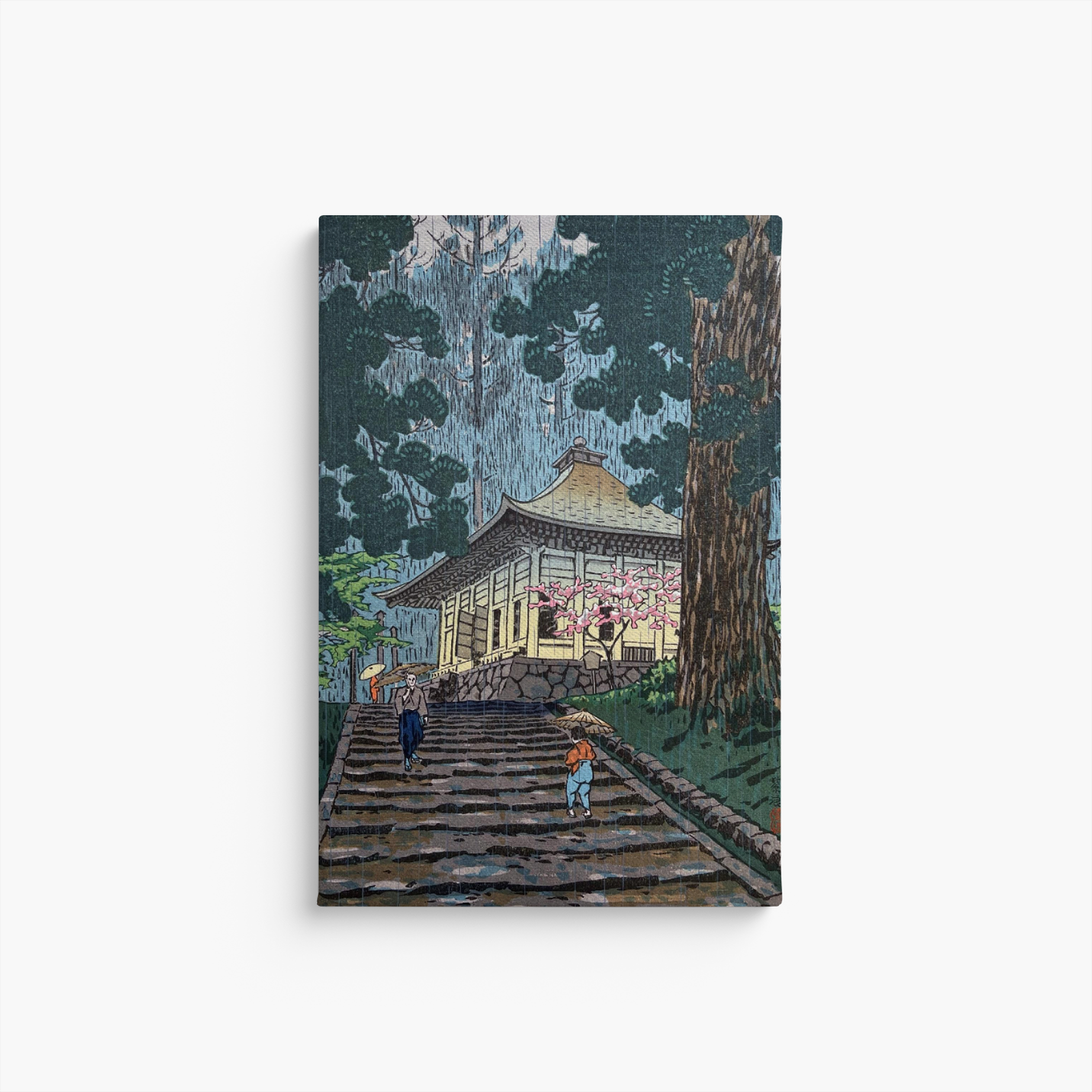 Image 2 of 4
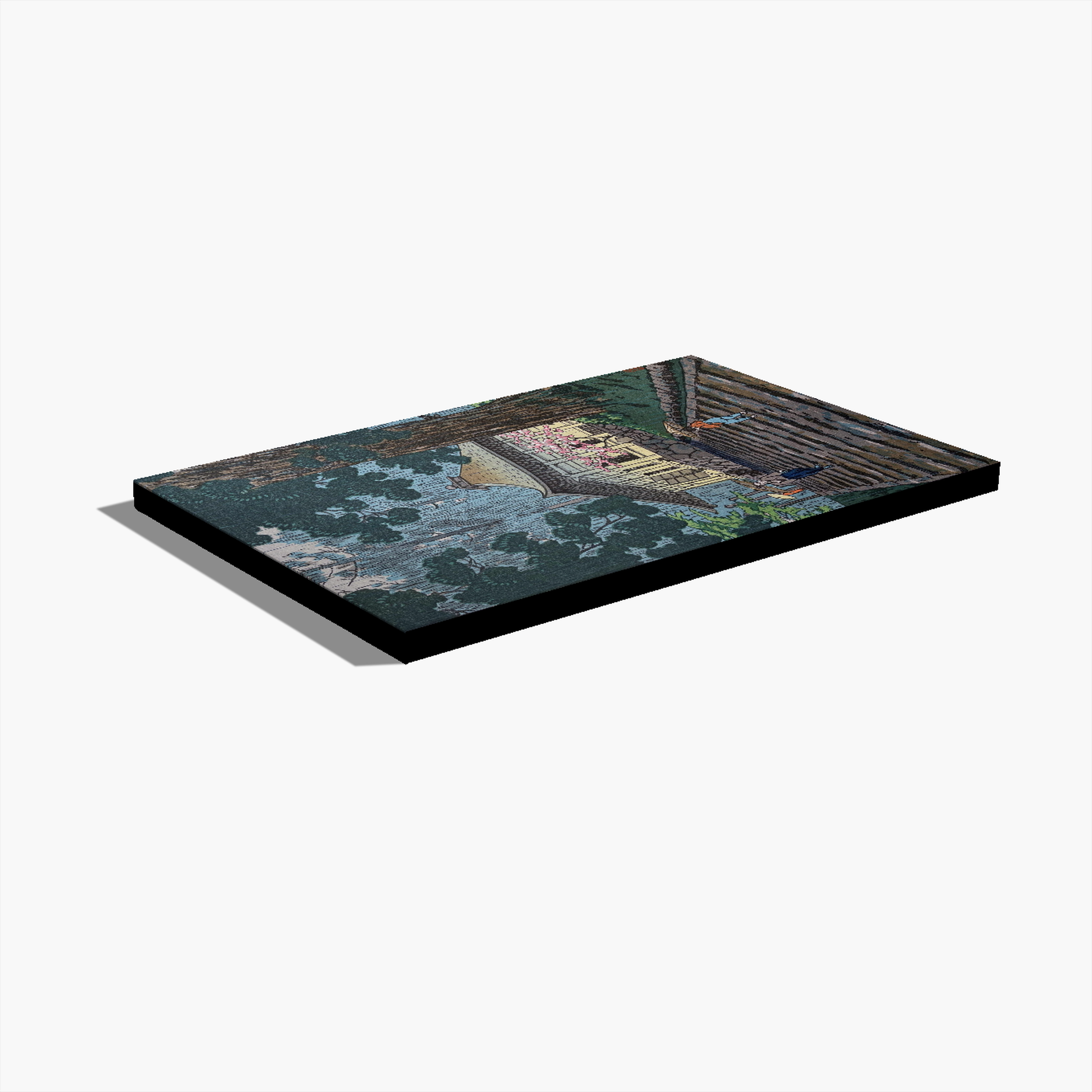 Image 3 of 4
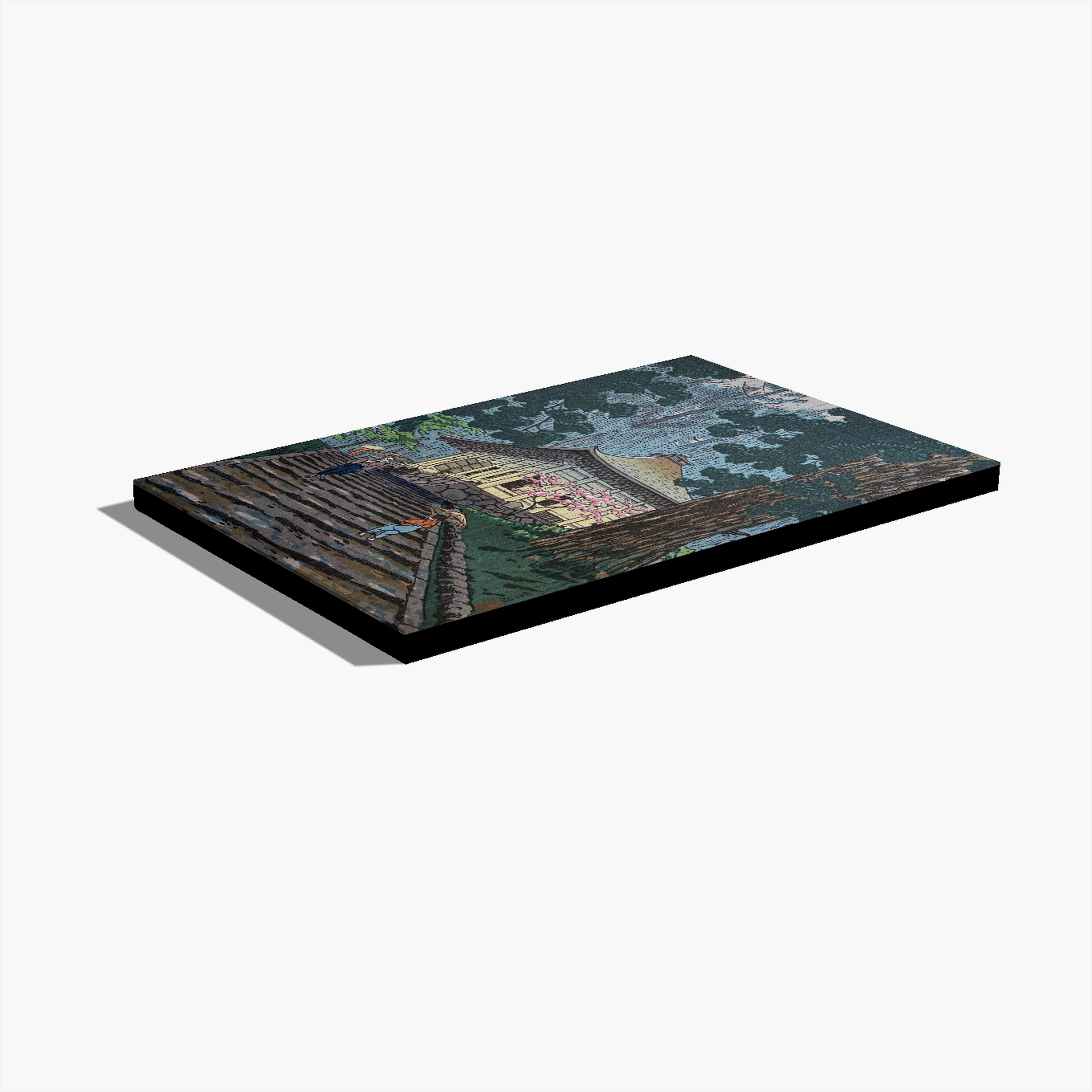 Image 4 of 4
Premium quality canvas print of Koitsu Tsuchiya’s “Benkei Bridge” woodblock painting
Transform your living space into a peaceful haven with art that speaks to the soul. This canvas reprint evokes the serene beauty of nature, filling your home with a sense of calm and awe.
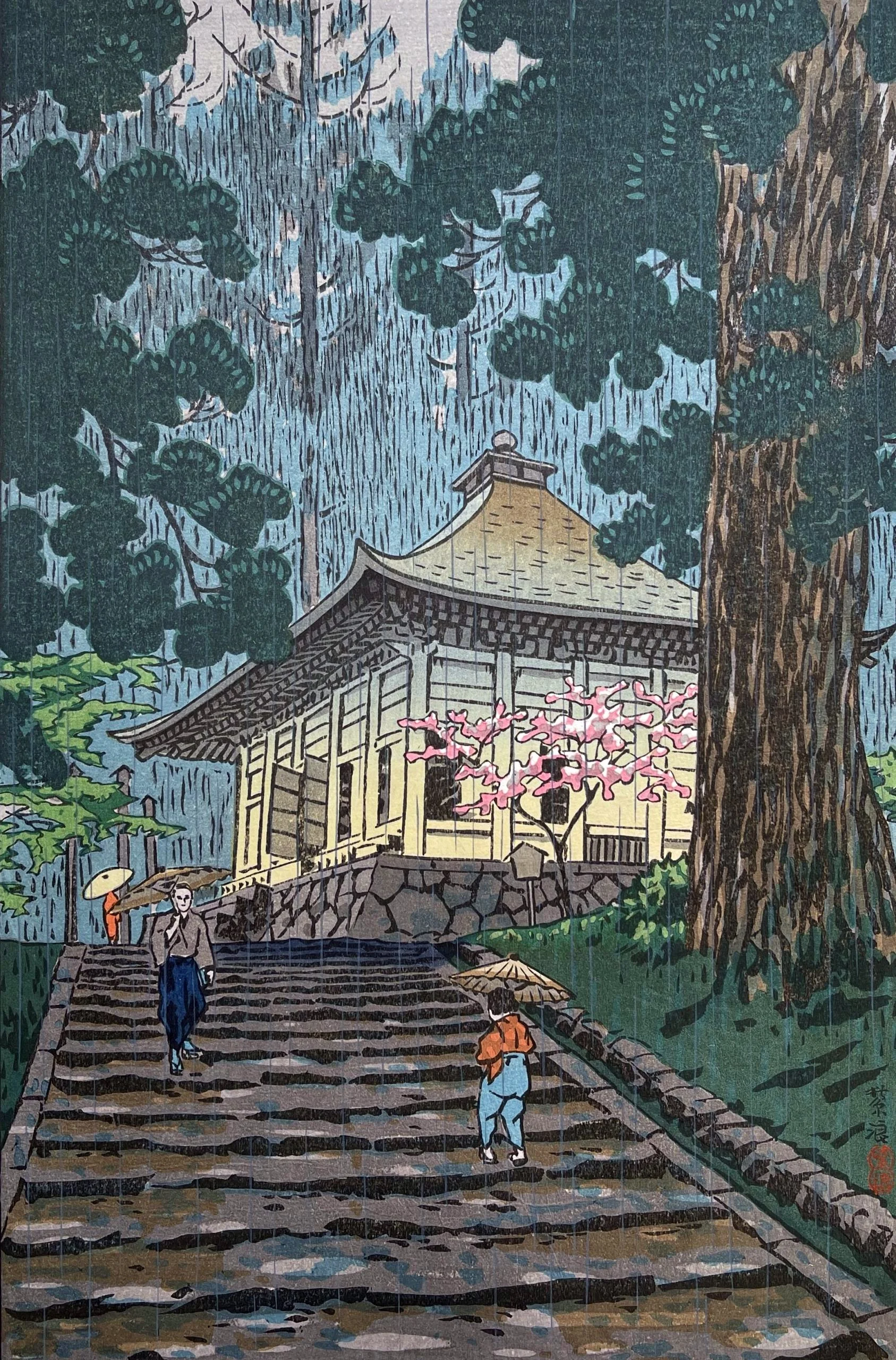
Shiro Kasamatsu’s Konjikido Shrine, Hiraizumi is a serene tribute to one of Japan’s most sacred architectural treasures: the Konjikidō, or Golden Hall, at Chūson-ji Temple in Hiraizumi. First printed in 1954, the work belongs to Kasamatsu’s celebrated body of Shin Hanga landscape prints, in which traditional Japanese woodblock craftsmanship is joined with a modern sensitivity to mood, atmosphere, and place. The Japanese publisher Unsōdō lists the work as 平泉金色堂 and notes that it remains among Kasamatsu’s reprinted designs today.
The scene is marked by quiet reverence. Rather than overwhelming the viewer with the literal brilliance of the Golden Hall, Kasamatsu approaches the shrine with restraint and poetic calm. The architecture is framed by the natural world, allowing the sacred structure to emerge with dignity from its surroundings. The composition evokes not only a famous monument, but also the contemplative experience of approaching it: stillness, shadow, seasonal air, and the hushed presence of history.
The subject is especially meaningful. Chūson-ji’s official materials describe the Konjikidō as completed in 1124 and as the only surviving 12th-century structure at Chūson-ji in its original form. Dedicated to Amida Nyorai, it is famously covered in gold leaf apart from the roof. (Chusonji) Japanese heritage sources further emphasize its extraordinary decoration, including mother-of-pearl inlay, openwork metal fittings, lacquer, and maki-e, representing the height of late Heian-period craftsmanship.
As a canvas reprint, this image brings the refined spirit of Japanese woodblock art into a contemporary interior. Its balance of sacred architecture, natural quiet, and historical resonance makes it ideal for spaces that call for elegance, contemplation, and cultural depth.
Shiro Kasamatsu was born in Asakusa, Tokyo, in 1898 and became one of the distinguished artists of the Shin Hanga movement. At the age of fourteen, he studied Japanese painting under Kaburaki Kiyokata, one of the most respected masters of modern Japanese art, and later remained active through artistic circles such as the Tatsumi-kai and Kyōdokai.
Kasamatsu is admired for his sensitive depictions of Japan’s temples, shrines, landscapes, and seasonal views. His art often avoids dramatic display in favor of atmosphere: falling snow, evening light, temple shadows, quiet streets, and moments of stillness. Japanese sources note that his works depicting places throughout Japan have undergone renewed appreciation in recent years, and that early impressions of his prints are now highly valued by collectors abroad.
Working with major publishers including Watanabe and later Unsōdō, Kasamatsu helped carry the elegance of traditional woodblock printing into the modern era. His prints preserve a vision of Japan that is both intimate and timeless—rooted in place, softened by memory, and illuminated by a profound sensitivity to silence and beauty.
Premium quality canvas print of Koitsu Tsuchiya’s “Benkei Bridge” woodblock painting
Transform your living space into a peaceful haven with art that speaks to the soul. This canvas reprint evokes the serene beauty of nature, filling your home with a sense of calm and awe.
Shiro Kasamatsu’s Konjikido Shrine, Hiraizumi is a serene tribute to one of Japan’s most sacred architectural treasures: the Konjikidō, or Golden Hall, at Chūson-ji Temple in Hiraizumi. First printed in 1954, the work belongs to Kasamatsu’s celebrated body of Shin Hanga landscape prints, in which traditional Japanese woodblock craftsmanship is joined with a modern sensitivity to mood, atmosphere, and place. The Japanese publisher Unsōdō lists the work as 平泉金色堂 and notes that it remains among Kasamatsu’s reprinted designs today.
The scene is marked by quiet reverence. Rather than overwhelming the viewer with the literal brilliance of the Golden Hall, Kasamatsu approaches the shrine with restraint and poetic calm. The architecture is framed by the natural world, allowing the sacred structure to emerge with dignity from its surroundings. The composition evokes not only a famous monument, but also the contemplative experience of approaching it: stillness, shadow, seasonal air, and the hushed presence of history.
The subject is especially meaningful. Chūson-ji’s official materials describe the Konjikidō as completed in 1124 and as the only surviving 12th-century structure at Chūson-ji in its original form. Dedicated to Amida Nyorai, it is famously covered in gold leaf apart from the roof. (Chusonji) Japanese heritage sources further emphasize its extraordinary decoration, including mother-of-pearl inlay, openwork metal fittings, lacquer, and maki-e, representing the height of late Heian-period craftsmanship.
As a canvas reprint, this image brings the refined spirit of Japanese woodblock art into a contemporary interior. Its balance of sacred architecture, natural quiet, and historical resonance makes it ideal for spaces that call for elegance, contemplation, and cultural depth.
Shiro Kasamatsu was born in Asakusa, Tokyo, in 1898 and became one of the distinguished artists of the Shin Hanga movement. At the age of fourteen, he studied Japanese painting under Kaburaki Kiyokata, one of the most respected masters of modern Japanese art, and later remained active through artistic circles such as the Tatsumi-kai and Kyōdokai.
Kasamatsu is admired for his sensitive depictions of Japan’s temples, shrines, landscapes, and seasonal views. His art often avoids dramatic display in favor of atmosphere: falling snow, evening light, temple shadows, quiet streets, and moments of stillness. Japanese sources note that his works depicting places throughout Japan have undergone renewed appreciation in recent years, and that early impressions of his prints are now highly valued by collectors abroad.
Working with major publishers including Watanabe and later Unsōdō, Kasamatsu helped carry the elegance of traditional woodblock printing into the modern era. His prints preserve a vision of Japan that is both intimate and timeless—rooted in place, softened by memory, and illuminated by a profound sensitivity to silence and beauty.